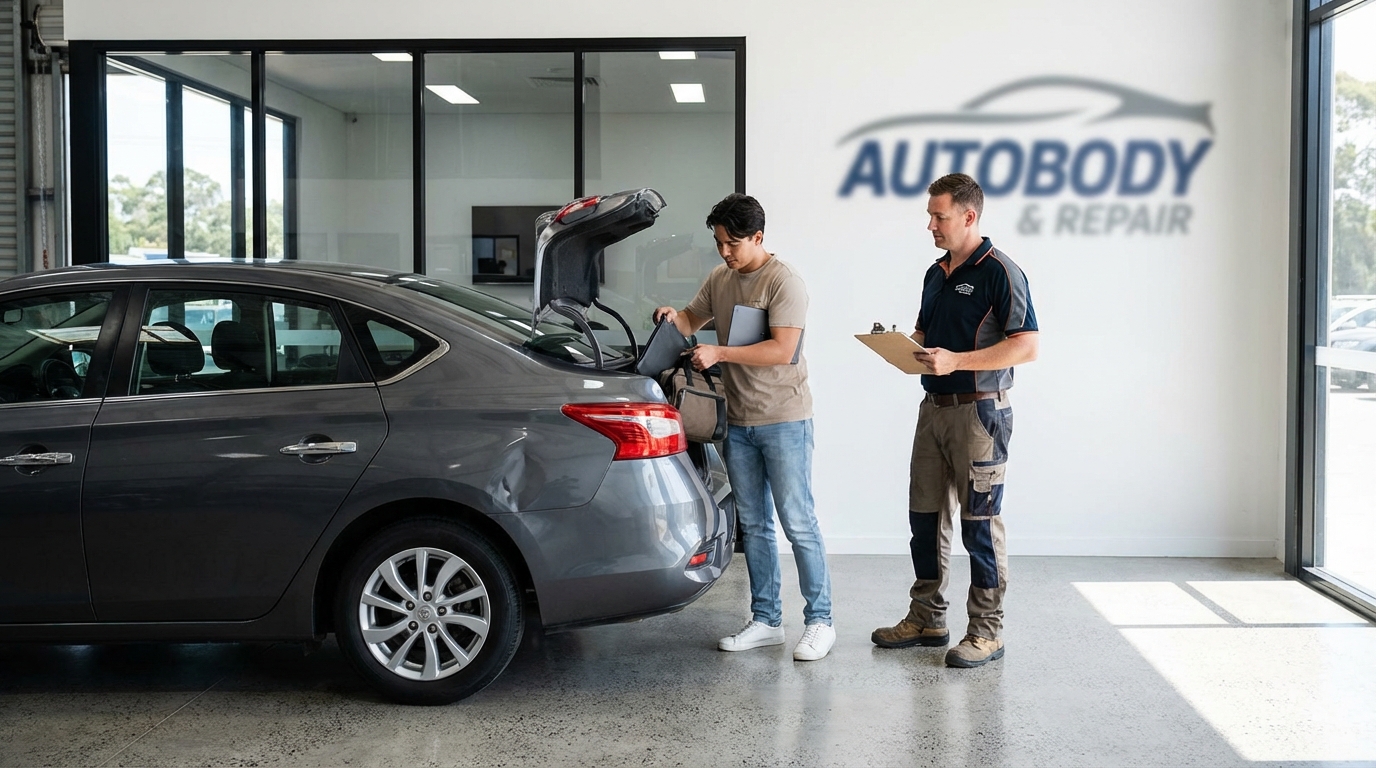
Preparing Your Car for Panel Beating: What to Do Before Drop-Off

Collision Coachworks Team
Expert Panel Beaters
Why Preparation Matters Before a Panel Beating Appointment
When it comes to preparing your car for panel beating, a little effort before drop-off can make a significant difference in your overall experience. Whether you've been in a minor fender bender on the N1 or suffered hail damage after a Cape Town storm, arriving prepared helps the panel beater quote accurately, speeds up the repair process, and protects you from unnecessary complications. At Collision Coachworks, located at 9 Assegaai Road in Parow Industria, we see customers daily who wish they'd known what to do beforehand — so we've put together this comprehensive guide.
Step 1: Document All Existing Damage Thoroughly
Before you drive to the panel beater, walk around your entire vehicle with your smartphone and photograph every angle. This step is critical and often overlooked. You want a clear visual record of:
- The specific damage you're bringing the car in for (dents, scrapes, collision damage)
- Any pre-existing scratches, dings, or cosmetic imperfections elsewhere on the vehicle
- The condition of alloy wheels, bumpers, mirrors, and glass
- The interior — especially if the technicians will need to remove door panels or trim
This documentation serves two purposes. First, it gives you peace of mind that any new marks are clearly distinguishable from old ones. Second, it provides your insurer with clear evidence of the damage you're claiming for. Capture photos in good natural light, ideally in a shaded area to avoid glare obscuring the damage.
Video walkaround footage is even better — film a continuous 360-degree loop of the exterior, paying close attention to damaged panels. Store these in your cloud backup immediately.
Step 2: Remove All Personal Belongings and Valuables
This sounds obvious, but it's astonishing how many vehicles arrive at our Parow Industria workshop packed with personal items. Before drop-off, remove everything from the interior and boot (trunk):
- Handbags, wallets, sunglasses, and electronics
- Documents including your car's registration papers, service book, and any garage cards or toll tags
- Parking discs, parking tickets, and access cards
- Child car seats and their base mounts
- Gym bags, shopping items, tools
- Aftermarket dash cams — remove them if possible
- Any cash or coins in cup holders or door pockets
While reputable panel beaters like Collision Coachworks operate with strict integrity, it is simply good practice to not leave valuables in your vehicle during any extended service period. The vehicle may be moved between bays and the workshop yard over several days.
Also remove your spare key if it's in the glovebox, and take your service book home for safekeeping unless the panel beater specifically requests it.
Step 3: Note Your Fuel Level and Odometer Reading
Before handing over your keys, take a quick note — or photograph — of:
- Your current odometer reading (mileage)
- Your fuel gauge level
This is a standard practice that professional panel beaters expect and respect. It ensures complete transparency throughout the repair. If your vehicle is a Toyota Hilux, Ford Ranger, or any other bakkie with a large tank, you're unlikely to see a significant drop in fuel over a standard repair period — but it's still worth noting.
Step 4: Gather All Relevant Insurance Documentation
If you're claiming through insurance, ensure you arrive with all necessary paperwork or have digital copies on your phone:
- Your insurance claim reference number
- Contact details of the assessor your insurer has assigned
- A copy of your insurance policy detailing your excess amount
- The accident report number (case number from SAPS if applicable)
- Third-party contact details and insurer information if another vehicle was involved
Insurance-approved panel beaters like Collision Coachworks are familiar with all major South African insurers — Santam, Discovery Insure, OUTsurance, King Price, and others. However, having your documents at hand dramatically speeds up the quotation and approval process. Some insurers require their own assessor to inspect the vehicle before repairs commence, so confirm this with your insurer before booking your drop-off date.
What Happens if You Don't Have Your Insurance Details?
Without a valid claim reference or insurer authorisation, most panel beaters cannot commence insurance-backed work. You may be asked to arrange a cash or self-pay quote in the interim, or wait until the insurer's assessment is confirmed. Avoid delays by getting your paperwork in order the day before drop-off.
Step 5: Understand the Scope of Repairs Being Done
Before you drop off, have a clear conversation (in person or by phone) with the panel beater about exactly what work is being authorised. For Cape Town drivers dealing with typical damage — from pothole-related wheel arch scrapes on roads around Brackenfell and Goodwood to rear bumper damage from city traffic — knowing the scope protects both parties.
Ask your panel beater:
- Which panels are being repaired vs replaced?
- Is a respray confined to damaged panels only, or is blending onto adjacent panels required for colour matching?
- Will any parts be removed and refitted (e.g., door handles, trim, glass)?
- Are there any structural concerns such as boot floor deformation or chassis misalignment that need assessment?
- What is the estimated turnaround time?
Getting clear answers upfront prevents miscommunication later. A reputable panel beater will happily walk you through the process.
Step 6: Arrange Alternative Transport
Panel beating is not a one-hour job. Depending on the extent of the damage and the workshop's current workload, repairs on a VW Polo or Hyundai i20 can take anywhere from 2 to 7 working days. Significant collision repairs on larger vehicles like a Toyota Fortuner or Mercedes-Benz GLE could take two weeks or more.
Before drop-off, arrange:
- A courtesy car through your insurer (most comprehensive insurance policies include this)
- A rental car if your policy doesn't include one
- Lift arrangements from family or friends
- Ride-hailing apps like Bolt or Uber for the initial collection after drop-off
Customers in the Bellville, Durbanville, and northern suburbs of Cape Town area can often arrange a drop-and-collect easily given Collision Coachworks' central location in Parow Industria — just off the R300 and accessible from the N1 and N7 highways.
Step 7: Disable Any Active Tracking or Alarm Systems
Some modern vehicles — particularly premium brands and newer models — have active GPS tracking devices or sensitive alarm systems. Before drop-off:
- Notify your tracking company (Netstar, Tracker, Beame) that your vehicle will be at a workshop in Parow Industria for repairs. This prevents false movement alerts being flagged.
- Provide the panic code or technician PIN to the workshop if your alarm is particularly sensitive and may trigger during battery disconnection (which sometimes occurs during bumper removal or panel work).
- If your car has a dash cam with a parking mode, disable it or remove the SD card before drop-off.
Step 8: Note Any Existing Mechanical Issues
Inform the panel beater of any existing mechanical problems with the vehicle that are unrelated to the collision damage. This is important because:
- If a warning light comes on during the repair that was already present before, the panel beater isn't incorrectly blamed
- It prevents confusion if the vehicle is difficult to start or has known electrical gremlins
- It protects you — if you have a known unrelated mechanical issue, disclosing it upfront means you can't inadvertently be held responsible for it post-repair
Common pre-existing issues customers forget to mention: a slow puncture on the spare wheel, a faulty window regulator, a cracked windscreen unrelated to the current claim, or dashboard warning lights already active before the incident.
Step 9: Confirm Collection and Communication Arrangements
Before leaving your vehicle, confirm:
- The best phone number to reach you on for updates
- Whether you prefer WhatsApp messages or phone calls for progress updates
- The estimated collection date and what happens if the repair takes longer
- Payment arrangements — cash, EFT, or direct insurance payment — so there are no surprises at collection
- Whether VAT invoices are required (important for business vehicle owners claiming from company insurance)
Collision Coachworks keeps clients informed throughout the repair process. We know that being without your vehicle is disruptive — especially for customers relying on their bakkie for business in the northern suburbs and surrounding Cape Town areas.
What to Leave With the Panel Beater
When you depart, leave only what is necessary:
- One set of keys (not your full keyring with home keys attached)
- Any specific touch-up paint codes if the vehicle is an unusual colour and you have them available
- Written authorisation if you are dropping the vehicle on behalf of the registered owner
A Note on Self-Pay vs Insurance Repairs
If you're paying out of pocket — perhaps the damage is minor and you'd rather not affect your insurance no-claim bonus — the drop-off process is simpler but the same documentation principles apply. Get a written quote before authorising work, confirm the scope in writing or via WhatsApp, and agree on the collection timeline and payment method upfront.
For minor dents, light scrapes, or stone chip repairs on cars around Cape Town, self-pay repairs through a trusted panel beater can be the most cost-effective option — particularly if your excess is high. Ask for an honest assessment when you arrive.
Drop Off with Confidence at Collision Coachworks
Following these steps before you prepare your car for panel beating means the process runs smoothly for everyone. At Collision Coachworks in Parow Industria, we've built our reputation on transparent communication, quality workmanship, and returning vehicles to a standard that meets or exceeds pre-accident condition.
Whether you're bringing in a VW Polo from Bellville, a BMW 3 Series from Durbanville, or a Ford Ranger from Brackenfell — we treat every vehicle with the same care and professionalism. When you arrive prepared, we can focus entirely on what we do best: restoring your vehicle to showroom condition.
Ready to book your repair? Contact Collision Coachworks at 9 Assegaai Road, Parow Industria, Cape Town. Call us or send a WhatsApp to discuss your repair requirements and arrange a convenient drop-off time.
Share Article
Need Expert Advice?
Get personalized consultation from our master technicians.
Related Articles
Electric Vehicle Body Repair: New Challenges for Panel Beaters (2026 Update)
Electric vehicle body repair panel beating brings high-voltage safety, aluminium structures, and specialised adhesives that traditional workshops must master. Here is what Cape Town EV owners should know in 2026.
How Long Does Panel Beating Take? Repair Timeline Guide
Find out how long panel beating takes in Cape Town, from minor dents to major collision repair, with realistic timelines, process stages, and local factors that affect turnaround.
Third-Party vs Comprehensive Insurance for Panel Beating: A Cape Town Driver's 2026 Guide
Third-party or comprehensive cover? We break down exactly what each policy pays for when your car needs panel beating, using real Cape Town repair scenarios and 2026 ZAR figures.