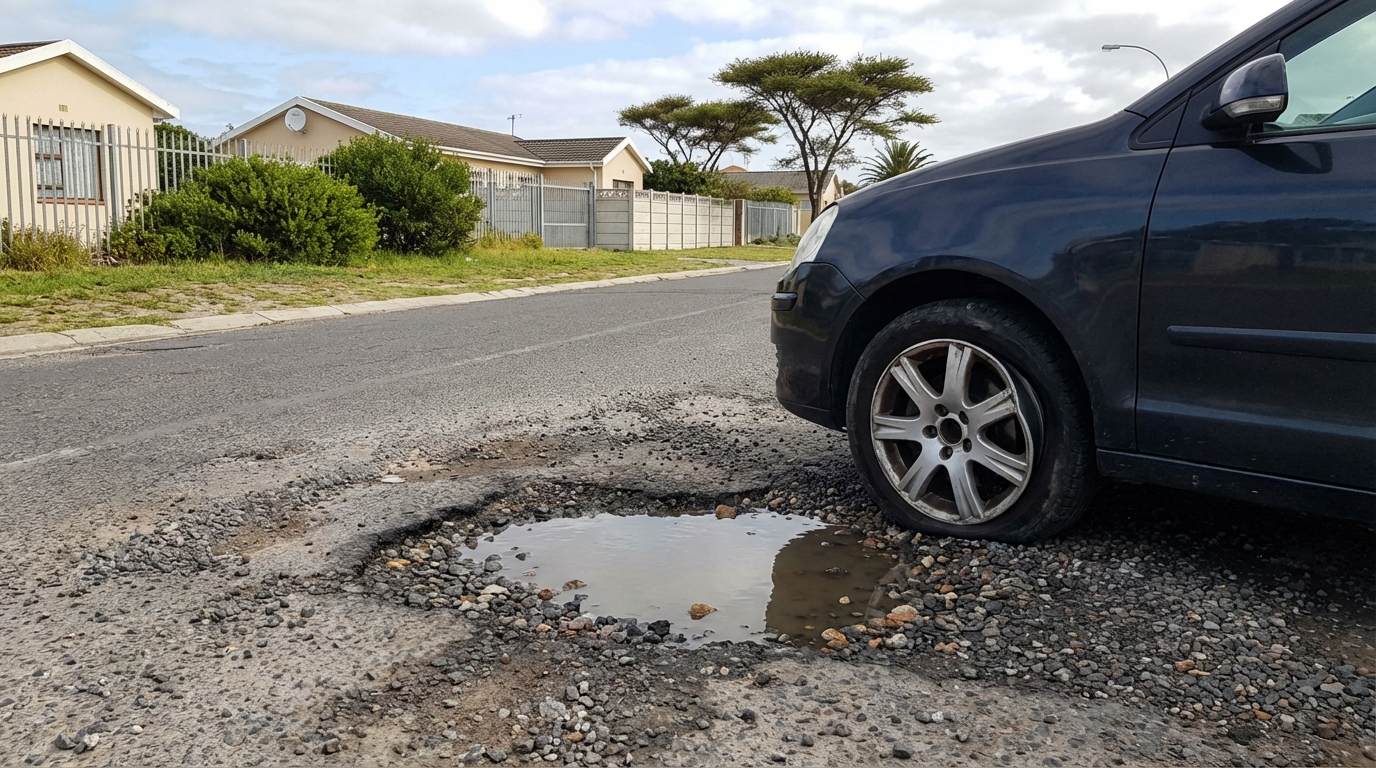
Pothole Damage Repair: What Cape Town Drivers Need to Know

Collision Coachworks Team
Expert Panel Beaters
Why Pothole Damage Repair in Cape Town Is a Growing Concern
If you drive anywhere in Cape Town, you already know the problem. Potholes have become an unavoidable part of daily commuting, whether you are navigating the N1 highway, cruising through the Northern Suburbs, or making your way along local roads in Parow, Goodwood, or Bellville. The combination of heavy winter rainfall, ageing infrastructure, and increasing traffic volumes means that road surfaces deteriorate faster than municipal crews can repair them.
For drivers, the consequences of hitting a pothole range from minor inconveniences to serious, expensive vehicle damage. At Collision Coachworks in Parow Industria, we regularly see vehicles come in with pothole-related damage that could have been minimised with better awareness and quicker action. This guide covers everything Cape Town drivers need to know about pothole damage repair, from identifying the signs to understanding costs and prevention strategies.
Common Types of Pothole Damage to Your Vehicle
When your vehicle hits a pothole at speed, the sudden impact sends shockwaves through the entire suspension and steering system. The damage is not always immediately visible, which is why many drivers continue for weeks without realising their vehicle has been compromised. Here are the most common types of pothole damage we repair at our workshop on 9 Assegaai Road, Parow Industria.
Wheel and Rim Damage
Alloy wheels are particularly vulnerable to pothole impacts. A hard hit can cause cracks, bends, or chips in the rim that compromise the seal between the tyre and the wheel. Steel rims are more forgiving but can still bend under severe impact. If you notice a vibration through the steering wheel after hitting a pothole, there is a strong chance the rim has been damaged. Cracked alloys on popular vehicles like the VW Polo or BMW 3 Series can cost anywhere from R1,500 to R8,000 per wheel to replace, depending on the specification.
Tyre Damage
Potholes can cause sidewall bulges, punctures, and even blowouts. A sidewall bulge indicates that the internal structure of the tyre has been compromised, and the tyre must be replaced immediately as it cannot be safely repaired. Driving on a damaged tyre risks a sudden blowout, which is particularly dangerous at highway speeds on the N1 or R300.
Suspension and Shock Absorber Damage
Your vehicle's suspension system is designed to absorb road imperfections, but potholes can exceed its design limits. Common suspension damage includes worn or broken shock absorbers, damaged struts, bent control arms, and compromised ball joints. This type of damage often develops gradually after repeated pothole impacts, making it harder to detect until the vehicle starts handling noticeably differently.
Steering and Alignment Issues
A single severe pothole hit can knock your wheel alignment out of specification. Misaligned wheels cause uneven tyre wear, pulling to one side while driving, and increased fuel consumption. If left uncorrected, alignment issues can lead to premature tyre replacement and additional strain on suspension components. Cape Town drivers who regularly traverse pothole-riddled roads should have their alignment checked every 10,000 kilometres or after any significant impact.
Underbody and Exhaust Damage
Deeper potholes can cause the underside of your vehicle to scrape the road surface. This can damage the exhaust system, catalytic converter, engine sump guard, or fuel lines. Lower-profile vehicles are especially susceptible. We frequently see exhaust damage on sedans and hatchbacks that have bottomed out in the larger potholes found on secondary roads around Brackenfell and Durbanville.
How to Identify Pothole Damage Early
Early detection of pothole damage can save you thousands of rands in compounded repair costs. Here are the warning signs every Cape Town driver should watch for after hitting a pothole.
Vibrations through the steering wheel or vehicle body often indicate rim damage or a tyre issue. If the vibration is speed-dependent, it typically points to a bent wheel or an out-of-balance tyre. A constant pull to the left or right suggests your alignment has been affected. Unusual clunking or knocking noises when driving over bumps can indicate damaged shock absorbers or loose suspension components.
Uneven tyre wear is another telltale sign. If you notice the inside or outside edge of your tyres wearing faster than the centre, your alignment is off. Visible damage to the tyre sidewall, such as bulges or cuts, requires immediate attention. Finally, if your vehicle feels less stable during cornering or braking, the suspension may have been compromised.
Pothole Damage Repair Costs in South Africa
Repair costs vary significantly depending on the type and extent of the damage, as well as the vehicle make and model. Here is a general guide to what Cape Town drivers can expect to pay for common pothole-related repairs in 2026.
Wheel alignment typically costs between R350 and R650 for a standard four-wheel alignment. Alloy wheel repair for minor bends or cracks ranges from R500 to R1,200 per wheel, while replacement alloys can run from R1,500 to R8,000 depending on the vehicle. Shock absorber replacement averages R1,200 to R3,500 per unit including fitting, with premium brands costing more.
Tyre replacement is one of the most common pothole-related expenses. Budget tyres for a VW Polo start at around R600 each, while quality brands for a Toyota Hilux or Ford Ranger can exceed R2,500 per tyre. Suspension component repairs, including control arms and ball joints, typically range from R2,000 to R6,000 depending on the vehicle and parts required.
For more extensive underbody damage, such as exhaust system repairs or sump guard replacement, costs can range from R800 to R5,000. In the worst cases, where a pothole causes a collision or forces you off the road, full panel beating and collision repair may be necessary, which is where our team at Collision Coachworks can provide a comprehensive assessment and repair solution.
Can You Claim Pothole Damage from Insurance?
This is one of the most common questions we hear from drivers who bring their vehicles in after pothole damage. The answer depends on your insurance policy type and the specifics of the incident.
Comprehensive insurance policies generally cover pothole damage, as it falls under accidental damage to your vehicle. However, you will need to pay your excess, which typically ranges from R2,500 to R5,000 for standard policies. For minor damage, the repair cost may be less than your excess, making a claim impractical.
Third-party insurance does not cover damage to your own vehicle, including pothole damage. If you only have third-party cover, all repair costs will come out of your own pocket.
Some drivers attempt to claim from the municipality for pothole damage. While this is theoretically possible in South Africa, the process is lengthy and success rates are low. You would need to prove that the municipality was aware of the pothole and failed to repair it within a reasonable timeframe. Documenting the pothole with photographs, noting the exact location, and keeping all repair invoices is essential if you plan to pursue this route.
Prevention: Protecting Your Vehicle from Pothole Damage
While you cannot avoid every pothole on Cape Town roads, there are practical steps you can take to minimise the risk of serious damage.
Maintain Correct Tyre Pressure
Under-inflated tyres provide less cushioning between the road surface and your wheel rim. Check your tyre pressure at least once a month and before long trips. Your vehicle's recommended pressure is listed on a sticker inside the driver's door jamb or in the owner's manual. Properly inflated tyres absorb pothole impacts more effectively and reduce the risk of rim and suspension damage.
Increase Your Following Distance
Driving too close to the vehicle ahead limits your ability to spot and avoid potholes. Maintaining a safe following distance gives you more time to react and steer around hazards. This is especially important during the Cape Town winter months when rain fills potholes, making them nearly invisible until you are right on top of them.
Reduce Speed on Damaged Roads
The faster you are travelling when you hit a pothole, the more severe the impact on your vehicle. If you know a particular stretch of road is in poor condition, such as certain sections around Elsies River, Ravensmead, or the older industrial areas of Parow, slow down and give yourself space to navigate around the worst spots. Reducing your speed by even 20 km/h can significantly reduce the force of impact.
Avoid Sudden Braking Over Potholes
If you spot a pothole too late to safely swerve, it is actually better to release the brake before impact rather than braking hard into it. Braking shifts the vehicle's weight forward and compresses the front suspension, reducing its ability to absorb the impact. Releasing the brake allows the suspension to decompress and better handle the jolt.
Regular Vehicle Inspections
Have your suspension, alignment, and tyres checked regularly, particularly if you drive on damaged roads daily. A proactive inspection every six months or 10,000 kilometres can catch developing issues before they become expensive problems. At Collision Coachworks, we offer thorough vehicle assessments that cover all common pothole damage points.
When to Bring Your Vehicle to a Professional
Some pothole damage is obvious, like a flat tyre or a visibly bent rim. But much of the damage is hidden beneath the vehicle or develops slowly over time. Here are the situations where you should bring your vehicle to a professional repair shop without delay.
If you experience any change in your vehicle's handling, braking, or steering after hitting a pothole, have it inspected immediately. Any new vibrations, noises, or pulling sensations warrant a professional check. Visible damage to wheels, tyres, or the underbody should be assessed before you continue driving, as what appears to be minor cosmetic damage may indicate a more serious structural issue.
If your vehicle has been through a pothole-related incident that caused collision damage, such as swerving into a barrier or another vehicle while trying to avoid a pothole, bring it to our workshop at 9 Assegaai Road, Parow Industria. Our panel beating and collision repair team can handle everything from minor dent repair to full structural restoration, ensuring your vehicle is returned to its pre-incident condition.
Why Cape Town Drivers Choose Collision Coachworks for Pothole Damage Repair
Located in the heart of Parow Industria, Collision Coachworks serves drivers across the Northern Suburbs including Bellville, Goodwood, Brackenfell, Durbanville, and surrounding areas. Our team combines years of experience with modern diagnostic equipment to accurately assess and repair all types of pothole-related damage.
We work with all major insurance providers and can assist you with the claims process if your pothole damage is covered. For out-of-pocket repairs, we provide transparent, competitive quotes so you know exactly what you are paying for. Whether you need a simple wheel alignment, suspension repair, or comprehensive collision restoration after a pothole-related accident, we have the skills and facilities to get you back on the road safely.
Do not ignore pothole damage or hope it will resolve itself. What starts as a minor vibration or pulling sensation can develop into a costly mechanical failure if left untreated. Contact Collision Coachworks today for a professional vehicle assessment and get the expert repair your vehicle deserves.
Share Article
Need Expert Advice?
Get personalized consultation from our master technicians.
Related Articles
Pothole Damage Repair in Cape Town: Rims, Tyres & Suspension Cost Guide (2026)
Hit a pothole in Cape Town? Here's what pothole damage repair really costs in 2026, how to spot bent rims, tyre and suspension damage, when to claim, and how to protect your car.
Paintwork Aftercare: How to Wash, Wax and Protect Your Respray in Cape Town
A fresh respray is only as good as the care that follows it. Here is how to maintain paintwork after respray in Cape Town's harsh sun, coastal air and dusty roads, so your finish stays glossy for years.
Rust Repair Cost in Cape Town: Your 2026 Coastal Corrosion Guide
Sea air, winter rain and pothole-scarred paint make rust a real threat to Cape Town cars. Here is what rust repair costs in 2026, how corrosion is treated properly, and how to stop it coming back.